

10 Aug How to plan a garden before you buy plants.
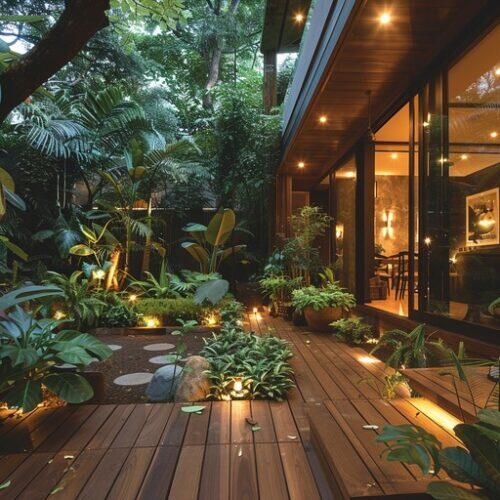
How to plan a garden before you buy plants.
Starting or redoing a garden is exciting. You walk into a nursery, see all those beautiful plants, and suddenly you’re loading up a trolley with things you imagine and hope will work. We’ve all been there. The problem? A few weeks later, something’s drooping, something’s dying, and nothing quite looks like the dreamy garden you imagined.
The secret to avoiding all that frustration is simple: plan first, buy later.
Before you think about plants, ask yourself: What do I actually want from this garden? Is it a place to relax with a coffee, somewhere for kids or pets to play, a space to entertain friends, or maybe you just want it to look great all year round?
Do a bit of research on the garden. Understanding soil conditions, sun movements throughout the day and year, as well as water conditions, including stormwater runoff and drainage, is crucial. Knowing these conditions is often neglected and can lead to some costly mistakes. Another question to ask is, what is underground? Damaging water mains or accidentally cutting fibre lines most certainly end your garden makeover dreams.
Next, decide on where you want what. Should an area have a space for lawn, is access needed through the space, where shall we plant trees, for optimal growth, screening, or shade? These are important questions to ask before purchasing any plants. You also want to consider the plants themselves. What style of garden are we creating, and will the plants grow in these conditions? With these questions answered, forming a cohesive plant palette and general design direction becomes easy.
Unfortunately, we are still not ready to plant any plants yet. This is the time for any building work. This includes laying irrigation, a crucial element to the long-term success of a garden, as regular watering helps the new plants establish. Complete your groundwork, lay any paths, edging to define the planted bed, and compost the soil in preparation for planting. Plants don’t like to be disturbed, especially their roots, and construction, even if it is minimal, can easily damage and kill plants.
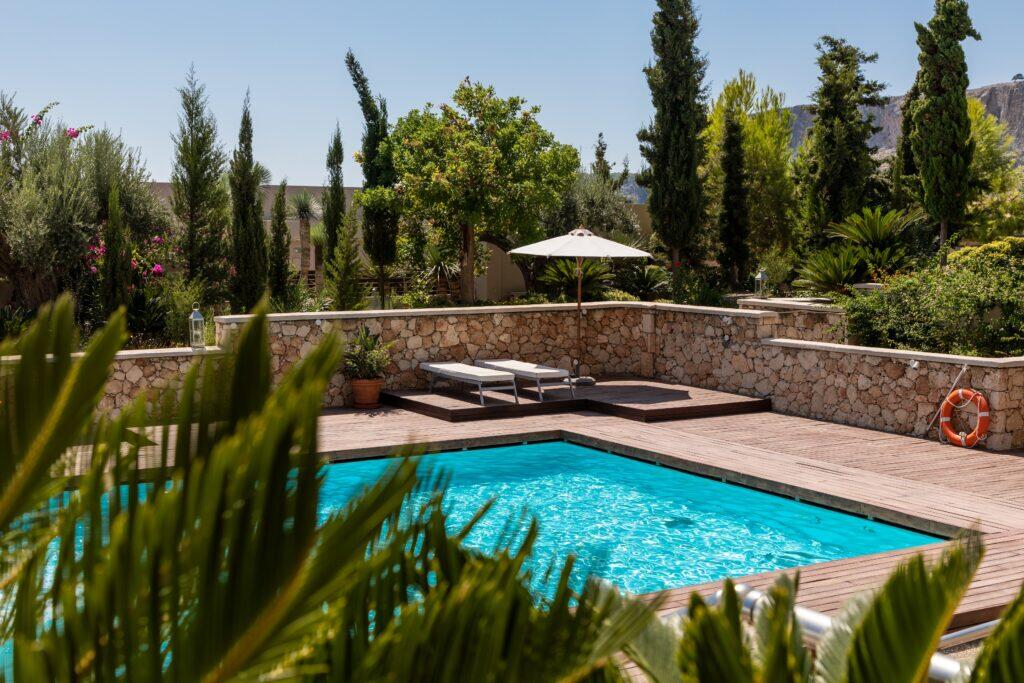
Once the mess and infrastructure are out of the way, the fun begins. This is when we consider the plants. Identify areas where you want to plant trees, where screening is needed, and what plants would work best. Reference back to your research on the site and use this knowledge to identify and create a plant palette. Often, consulting a landscape professional, or walking around the nursery, making notes of what you like and what would work is a simple and easy way, but leave your credit card behind; this is research, not shopping. While researching plants, think of the future, how big will the plants get, when, and how do they flower, will the plants suit the space in a year or five? Considering all this information makes selecting plants easier and a lot less daunting. If you are planning on planting trees, consider the shade the trees will cast. And lastly, consider how the space may change over a couple of years. As trees and plants grow, the lighting conditions may change. Creating a simple design layout. This will help to have a clear image of what to plant where. Grouping plants according to similar watering conditions, as well as lighting conditions, will ultimately lead to a successful garden. A design layout will also create a cohesive style for your garden, while ensuring the plants are grouped according to water and light requirements.
No Comments